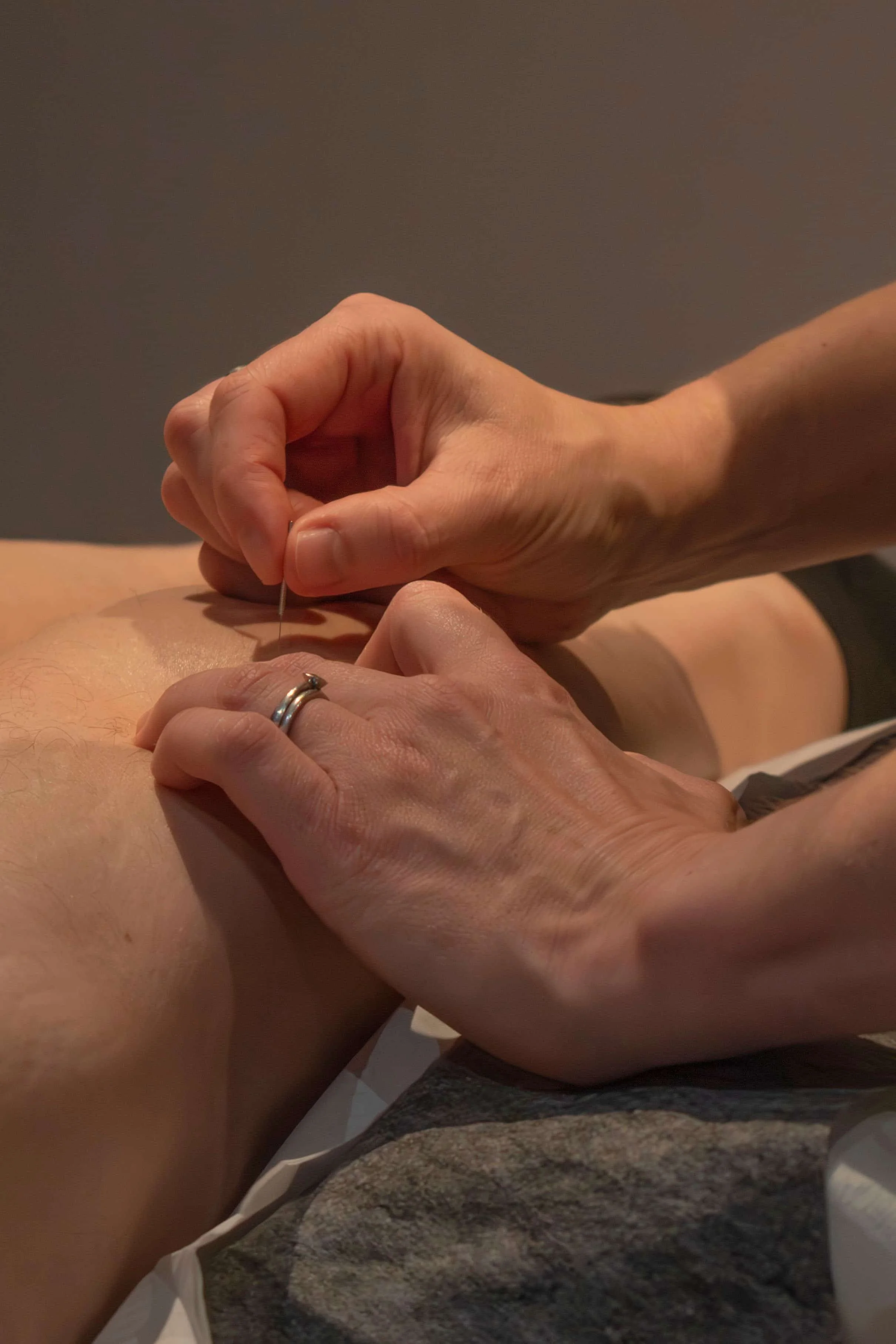
About Polly Keep
Acupuncturist in Western Medical Acupuncture.
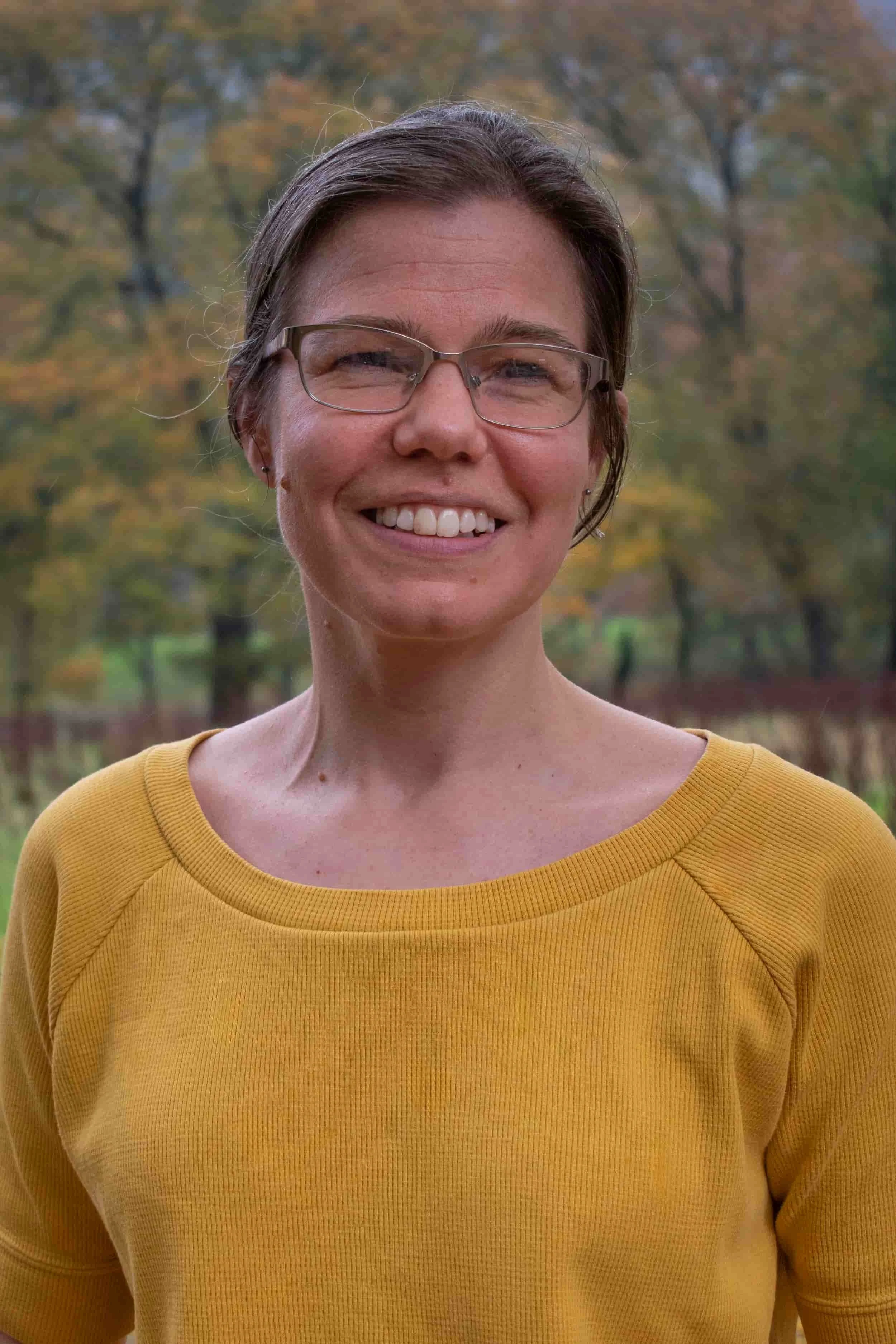
Thanks for finding my webpage.
I found a love for acupuncture through my work in the NHS. I qualified as a doctor in 2006 and moved to North West Wales to be closer to the mountains and to train and work as a GP.
I feel privileged to work as a doctor with the skills and benefits of modern medicine, and through my career I’ve developed a deep understanding of the complexities of health, disease and patient care. However, I found it frustrating to listen to so many patients who felt unheard in the conventional medical system, and I wanted to find a different way I could help.
Whilst working as a doctor at St David’s Hospice a friend used acupuncture as part of their day to day patient care. This sparked my interest in how we can integrate ancient technique into usual practice, and led me to start my training with the British Medical Acupuncture Society. Since then I’ve used more and more acupuncture in my doctoring life, and am constantly in awe of the benefits it can bring when used alongside orthodox medicine. This has led me to concentrate on this as my main area of work.
In April 2026 I gained recognition for my ongoing practice and learning by attaining the Diploma of Medical Acupuncture. I am now a trustee of the British Medical Acupuncture Society, and hope to use this as a way to promote the use of acupuncture in ‘conventional’ medical settings.
While working as an acupuncturist, I won’t offer medical advice, but I will be able to discuss your medical problems, understand the results of medical tests you have had, and will understand what medication you are taking and why. I can tell you if I think you should be updating your GP, and can inform them about our appointments if you’d like.
About western medical acupuncture:
Polly Keep’s training is in Western Medical Acupuncture.
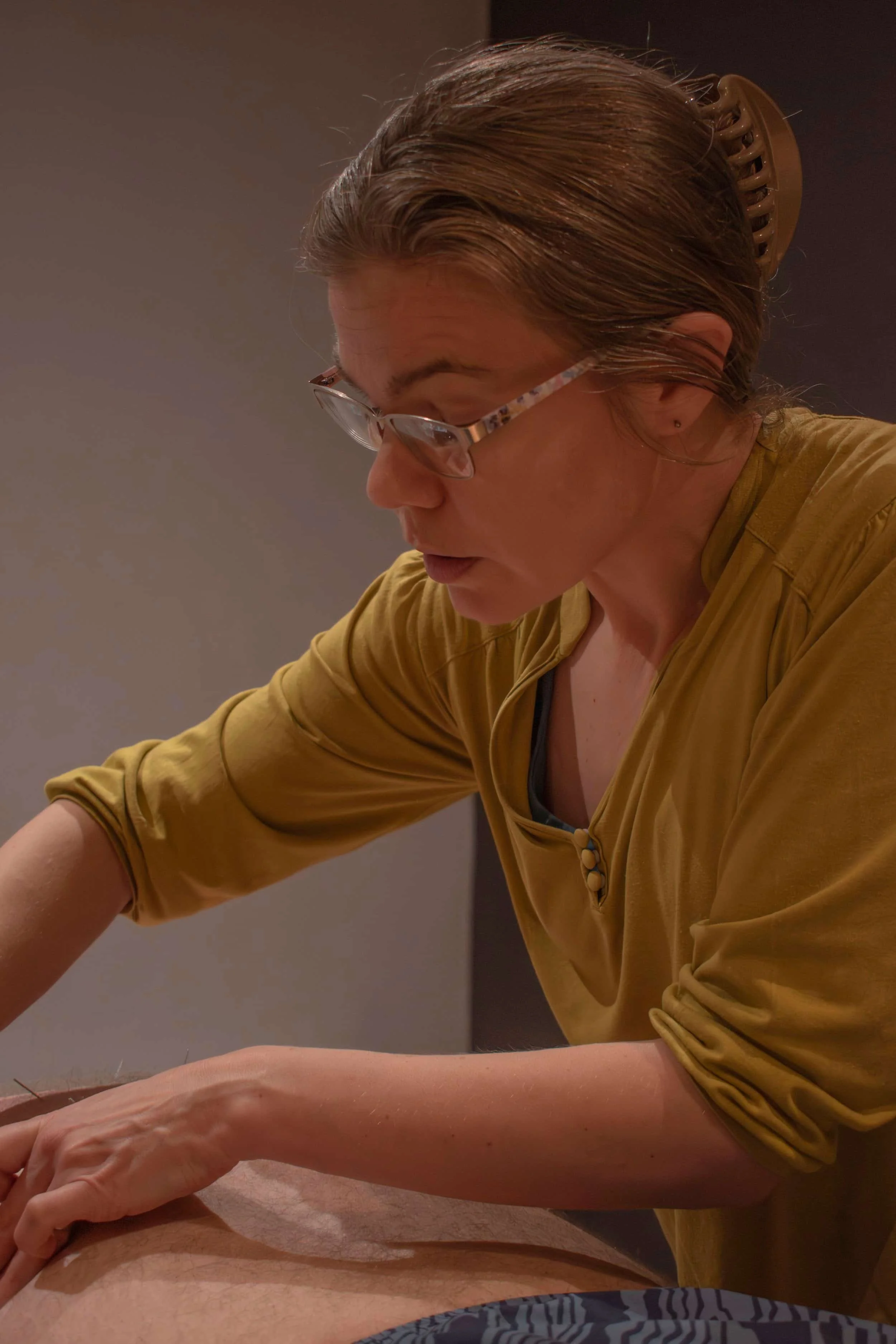
The teachings of Traditional Chinese Acupuncture don’t correlate with our modern understanding of the nervous system. We now understand the science behind acupuncture, and the observations that were made thousands of years ago. Stimulating skin, muscle and nerves can cause the body to release natural painkillers. These work directly within those tissues, but also pass messages further up the nervous system to downregulate our pain processing, inflammatory and stress responses. This is why many classical points are still used as they are recognised as the best places to stimulate the nervous system.
There is increasing trial evidence for the use of acupuncture, though in many areas the research (without drug company funding!) is yet to be done. Research into acupuncture is technically difficult since finding a true placebo and standardising ‘dose’ of acupuncture across studies is complex.
There is very good scientific evidence showing that acupuncture can help with short term relief of knee, neck and low back pain, and tension type headaches and migraine. It has also been shown to relieve nausea and vomiting in some situations.
Results can never be guaranteed. Some people react very well to acupuncture while other people notice little change. The general statistics suggest that 70% of people will respond well. In addition, some patients notice that acupuncture promotes relaxation, and results in a feeling of improved wellbeing.